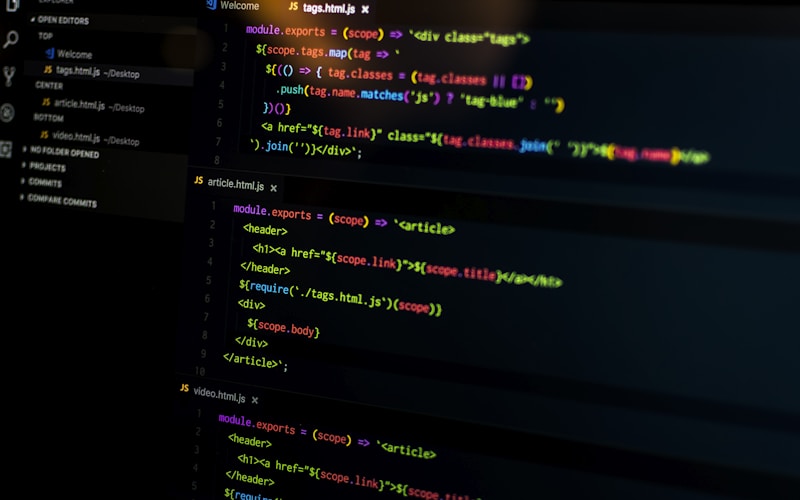



欢迎来到冉冉博客的技术教程。今天分享企业官网SEO攻略的实战经验,这些都是我在网站编程过程中总结的最佳实践。
一、移动优先策略与响应式设计
移动端流量已经超过 PC 端,Google 实行移动优先索引。企业的官网必须首先在移动端表现优秀,才能获得好的排名。冉冉博客的移动端性能得分达到 95 以上,这里分享具体方法。
1.1 响应式布局实现
/* 移动优先 CSS */
.container {
  padding: 1rem;
}

@media (min-width: 768px) {
  .container {
    max-width: 1200px;
    margin: 0 auto;
    padding: 2rem;
  }
}

@media (min-width: 1024px) {
  .container {
    max-width: 1400px;
  }
}

/* 触摸友好的按钮 */
.btn {
  min-height: 44px;
  min-width: 44px;
  padding: 0.75rem 1.5rem;
}
1.2 移动端性能优化
<!-- 图片延迟加载 -->
<img src="image.jpg" loading="lazy" alt="描述" width="800" height="600">

<!-- 关键 CSS 内联 -->
<style>
  .header { position: fixed; top: 0; z-index: 100; }
  .hero { min-height: 100vh; }
</style>

<!-- 预加载关键资源 -->
<link rel="preload" href="font.woff2" as="font" type="font/woff2" crossorigin>
二、页面速度深度优化
页面速度是 Google 和百度排名算法的重要因子。Core Web Vitals(LCP、FID、CLS)是 Google 评估页面体验的核心指标。
2.1 图片与资源优化
<!-- 现代图片格式 -->
<picture>
  <source srcset="image.avif" type="image/avif">
  <source srcset="image.webp" type="image/webp">
  <img src="image.jpg" alt="描述" width="800" height="600" loading="lazy">
</picture>

<!-- 响应式图片 -->
<img srcset="image-480.jpg 480w, image-800.jpg 800w, image-1200.jpg 1200w"
     sizes="(max-width: 600px) 480px, (max-width: 900px) 800px, 1200px"
     src="image-800.jpg" alt="描述" loading="lazy">
2.2 服务器与缓存策略
# Nginx 缓存配置
location ~* \.(css|js|jpg|jpeg|png|gif|ico|svg|woff|woff2)$ {
    expires 30d;
    add_header Cache-Control "public, immutable";
}

# Gzip 压缩
gzip on;
gzip_types text/plain text/css text/xml text/javascript application/javascript application/json;

# HTTP/2
listen 443 ssl http2;
三、结构化数据与 Schema 标记
结构化数据帮助搜索引擎更好地理解页面内容,在搜索结果中展示丰富的摘要,提高点击率。
3.1 企业网站常用 Schema
<script type="application/ld+json">
{
  "@context": "https://schema.org",
  "@type": "Organization",
  "name": "冉冉博客",
  "url": "https://www.0rr.cn",
  "logo": "https://www.0rr.cn/logo.png",
  "sameAs": [
    "https://weibo.com/ranran",
    "https://github.com/ranran"
  ],
  "contactPoint": {
    "@type": "ContactPoint",
    "telephone": "+86-xxx-xxxx-xxxx",
    "contactType": "customer service"
  }
}
</script>
3.2 本地商家信息优化
<script type="application/ld+json">
{
  "@context": "https://schema.org",
  "@type": "LocalBusiness",
  "name": "公司名称",
  "image": "https://www.0rr.cn/store.jpg",
  "address": {
    "@type": "PostalAddress",
    "streetAddress": "街道地址",
    "addressLocality": "城市",
    "addressRegion": "省份",
    "postalCode": "邮编"
  },
  "geo": {
    "@type": "GeoCoordinates",
    "latitude": 39.9,
    "longitude": 116.4
  },
  "openingHours": "Mo-Fr 09:00-18:00"
}
</script>
四、用户体验与转化率优化
SEO 最终目的是获得目标用户的访问和转化。好的用户体验不仅能提升排名,更能提高转化率。
4.1 导航与信息架构
<!-- 面包屑导航 -->
<nav aria-label="breadcrumb">
  <ol>
    <li><a href="/">首页</a></li>
    <li><a href="/products">产品中心</a></li>
    <li>当前页面</li>
  </ol>
</nav>

<!-- 搜索功能 -->
<form role="search" action="/search">
  <input type="search" name="q" placeholder="搜索..." aria-label="搜索">
  <button type="submit">搜索</button>
</form>
4.2 CTA 与转化优化
<!-- 明确的联系方式 -->
<div class="contact-box">
  <h2>联系我们</h2>
  <p>电话:400-xxx-xxxx</p>
  <p>邮箱:info@example.com</p>
  <a href="/contact" class="btn btn-primary">立即咨询</a>
</div>
五、数据分析与持续迭代
SEO 是持续优化的工作。通过数据分析发现问题,指导优化方向,形成良性循环。
5.1 监控工具配置
<!-- Google Search Console 验证 -->
<meta name="google-site-verification" content="验证码">

<!-- 百度搜索资源平台验证 -->
<meta name="baidu-site-verification" content="验证码">

<!-- 分析代码 -->
<script async src="https://www.googletagmanager.com/gtag/js?id=G-XXXXXXXXXX"></script>
5.2 SEO 审计清单
# 季度 SEO 审计项目

## 1. 技术审计
- [ ] 检查索引覆盖率
- [ ] 审查 robots.txt 和 sitemap
- [ ] 测试页面加载速度
- [ ] 检查移动端可用性

## 2. 内容审计
- [ ] 识别低流量页面
- [ ] 更新过时内容
- [ ] 检查重复内容
- [ ] 补充缺失内容

## 3. 竞争分析
- [ ] 追踪关键词排名变化
- [ ] 分析竞争对手策略
- [ ] 寻找新的关键词机会

## 4. 链接审计
- [ ] 检查外链质量
- [ ] 修复失效外链
- [ ] 开发新外链机会
通过本文的学习,相信你已经掌握了企业官网SEO攻略的核心要点。冉冉博客会持续分享更多实用技术教程,欢迎持续关注。
© 版权声明
文章版权归作者所有,未经允许请勿转载。
THE END












暂无评论内容